
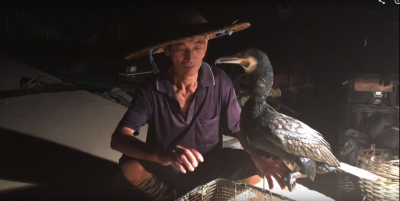
Cormorants are heavier and more intelligent-seeming than you would expect, with neck feathers that are as soft as high-end cupcake
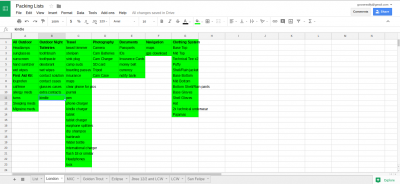
We are notorious last-minute packers. Fortunately, I made up a system for that, and it works brilliantly. (I'm not even
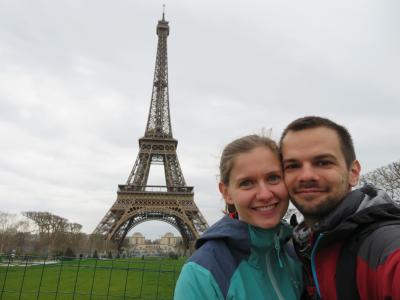
Trip time: 10 days Major attractions visited: The Louvre Eiffel Tower Sainte Chapelle Notre Dame Loire Valley (Chambord and Chenonceau)
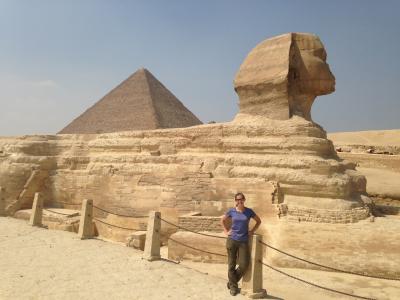
No trip to Egypt would be complete without seeing the Sphinx and the Pyramids, right? We felt the same.
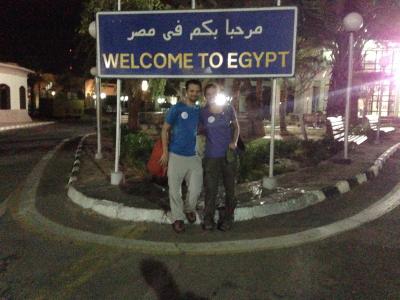
A quick search of travel.state.gov would have revealed warnings such as "do not travel to the Sinai Peninsula due to
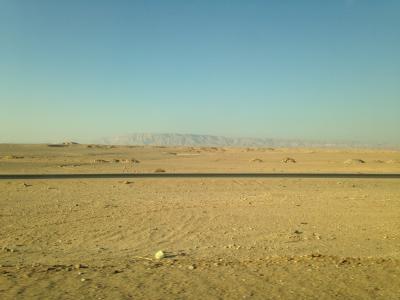
We saw our most interesting highway interchange of all time in Egypt in 2016.
It involves a lot of pointing and uncertainty.
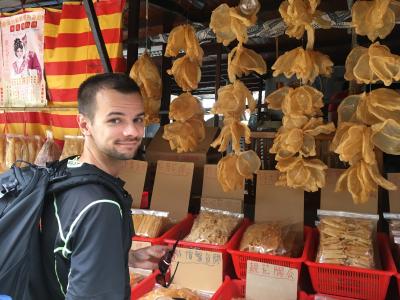
Today was tough. Shenzhen is louder, more confusing, and more difficult to navigate than Hong Kong, and my feet hurt
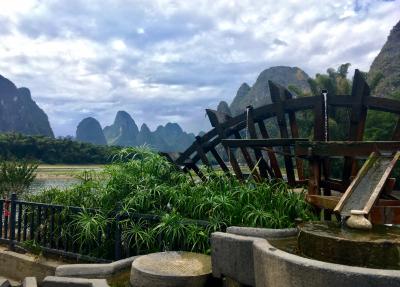
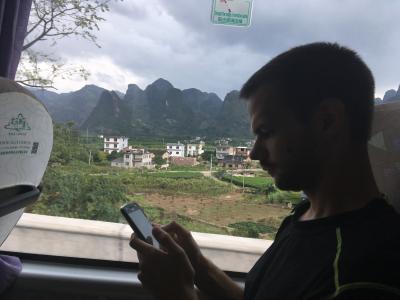
Typhoon Mangkhut shut down the train between Yangshuo and the coast and cut off the path to our flight out
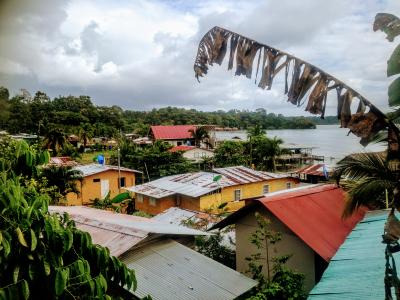
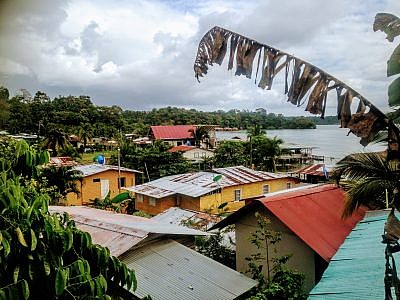
Bastimentos is magical. It's a tiny Panamanian island in the Caribbean that can only be reached by boat and is
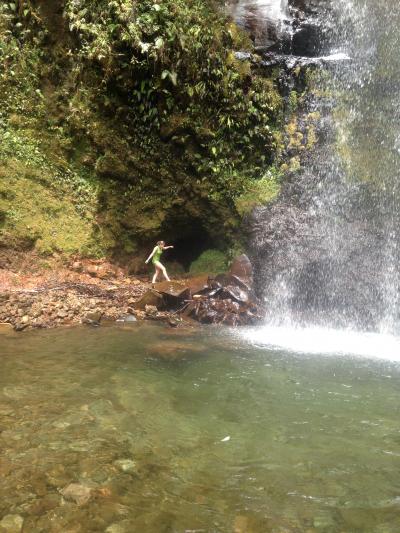
9 hours and 4 busses later, I found a region of the country in the mountains near Costa Rica where

After less than 24 hours in Panama City I knew I had to escape.

Latin American Buses hold such a special place in my heart.
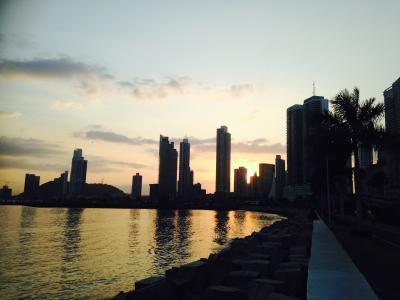
Panama City. It was just a city, really. With an ocean. And a canal. And.... that's about it.
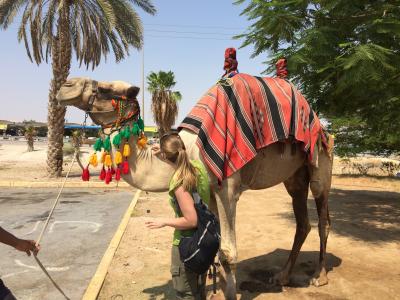
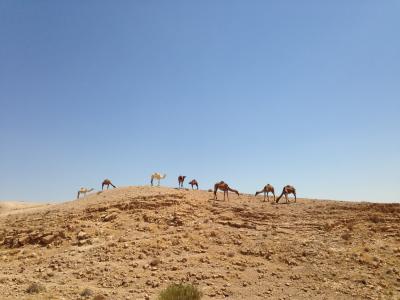
One of the craziest things about Israel is recognizing names and places from the bible ALL THE TIME.
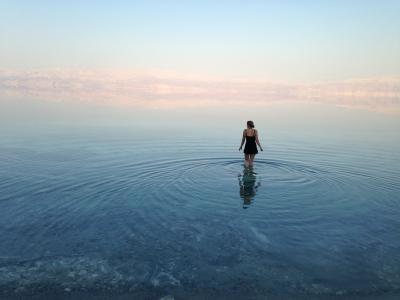
The Dead Sea is simultaneously harsh, desolate, and devastatingly beautiful.
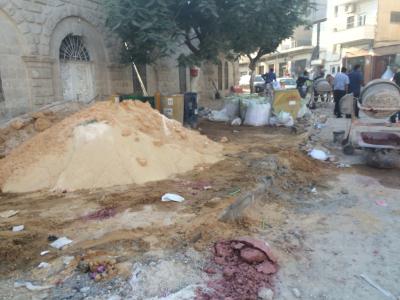
We negotiated our way into the heart of Palestine by taxi using sign language, nods, smiles, cash, and the help
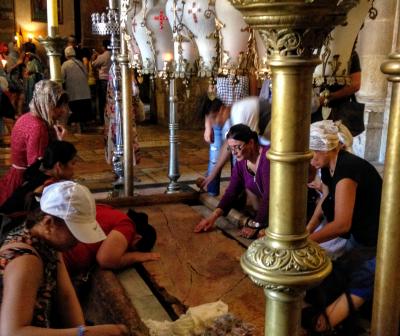
We walked out of the hot, bright Israeli sun and were immediately surrounded by darkness
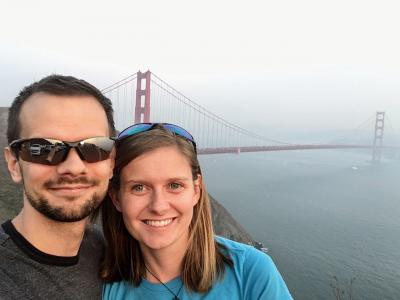
Many people think that international vacations need to cost thousands of dollars. I'd like to dispel that myth right now.
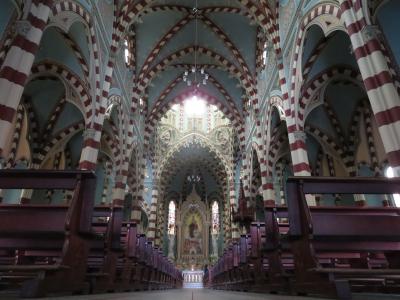
Josh flexed his photography muscles on this devastatingly beautiful candy cane cathedral.
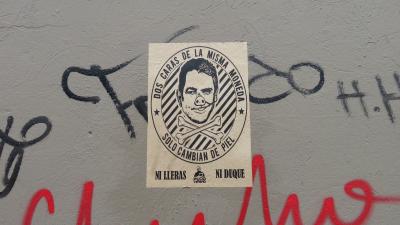
We were both nervous and excited to be in the Colombian capital on the presidential Election Day. Let me break
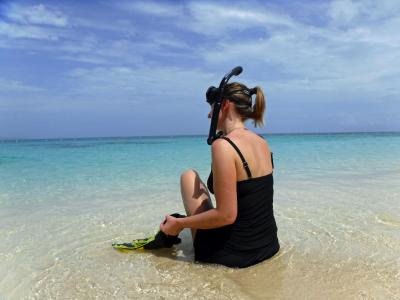
Climate change and overfishing have decimated the Jamaican reef and turned it into a bleached, algae-covered mess. Still, we managed
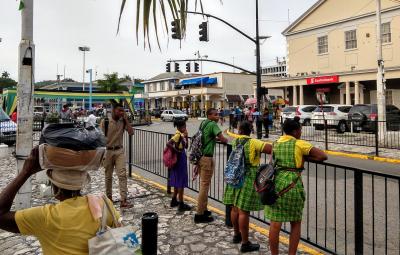
“Parents will go without, but Jamaicans take great pride in getting their children to school every day in a crisp,
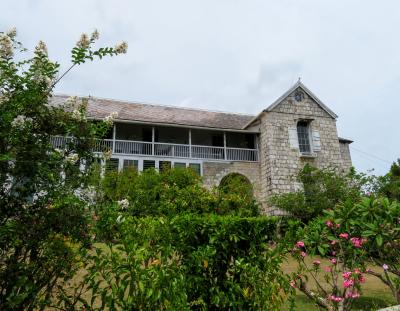
The Greenwood Great House was one of the only plantation homes to survive the Christmas Rebellion of 1831.
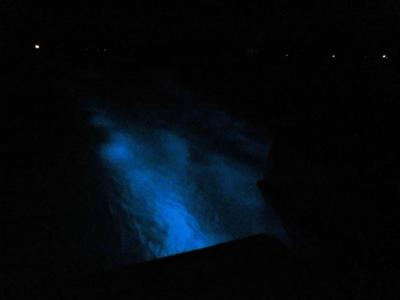
It was one of the coolest things we've seen in this world.
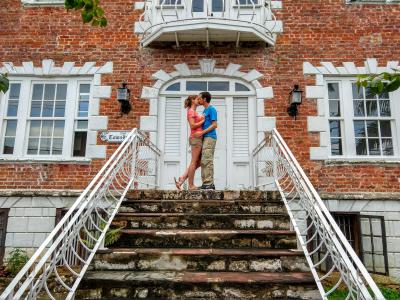
Built in the 1760s, this beautiful building has had many lives. Most recently, it was our temporary home (and inspiration
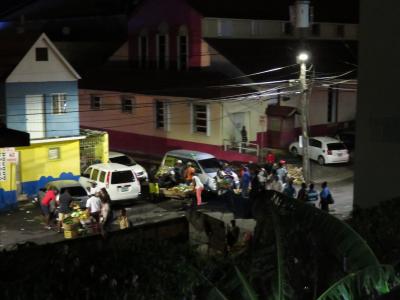
There’s a city-wide 8pm curfew and state of emergency called in response to a high number of gang-related homicides.
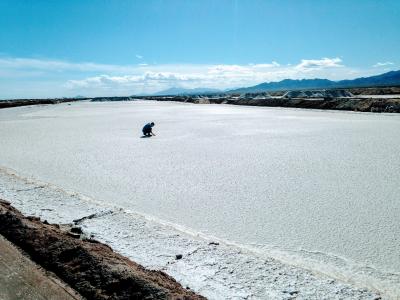
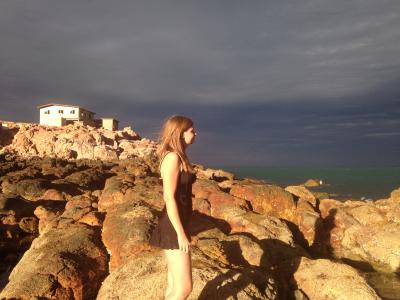
Puertecitos Mexico, Population 41, is located a few hours south of San Felipe and is home to excellent natural hot
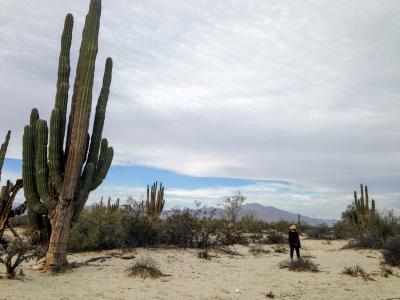
This nature reserve is home to 1,000 year old, absolutely gigantic cacti.
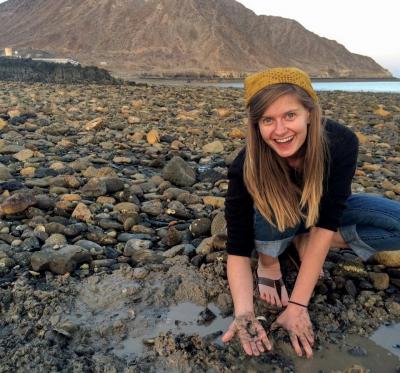
San Felipe is a beautiful place to hang out on the beach, explore the nearby rocks and pools, catch a
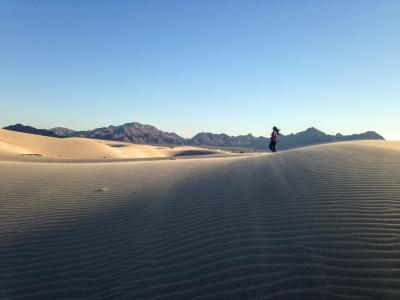
If you are ever driving down the #5 Highway from MexiCali down the coast of the Sea of Cortez, keep
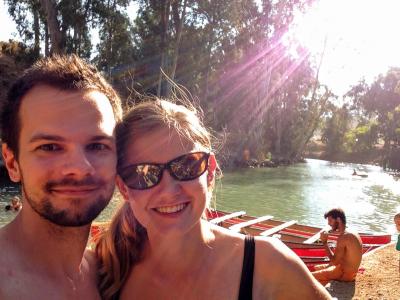
We always had the vision of the Jordan River as a wide, formidable, ageless, and important-looking. It's not.
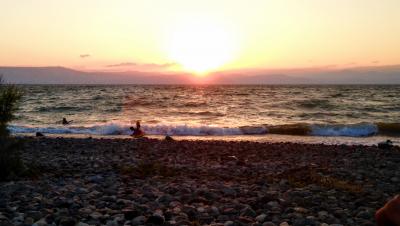
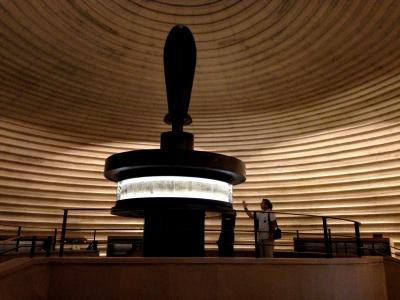
It was a Dead Sea Scroll kinda day. Here are some highlights. If you're
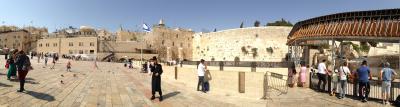
We were fortunate to be able to visit 2 major religious sites in Old Jerusalem: The Western Wall and the
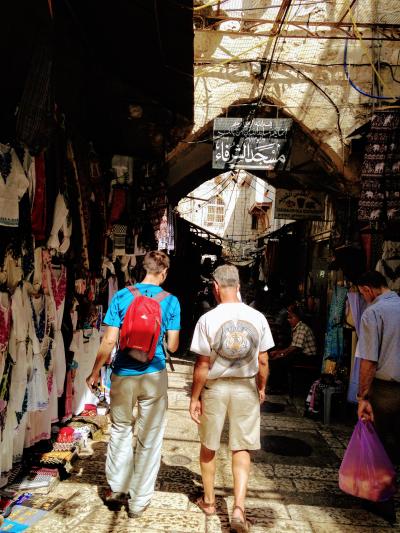
Old Jerusalem is an ancient, fragrant, complex, dusty, emotionally-, politically-, and religiously-charged space.

In the heart of Historic Mexico City, on Zocalo Square and partially buried under the Cathedral of Mexico City, is
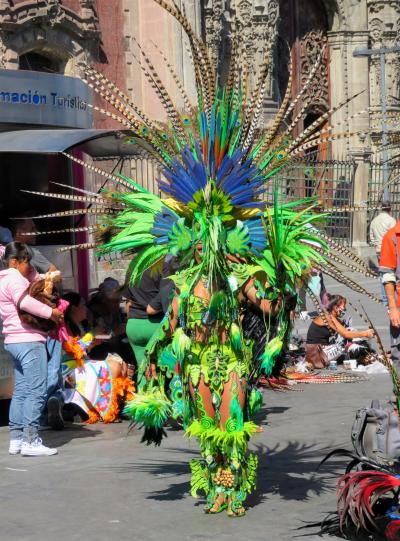
Our Airbnb host helped us plan an amazing walking tour of the heart of Mexico City.
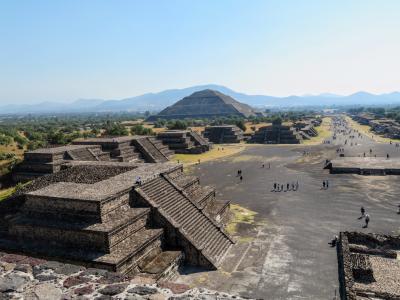
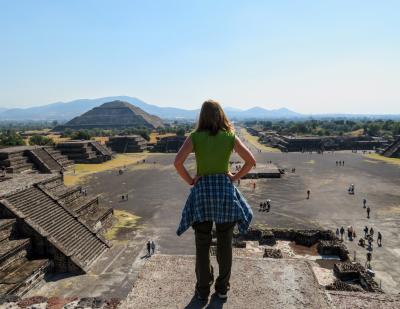
Josh thinks visiting Teotihuacan was cooler than visiting the Pyramids of Giza. I'm on the fence.

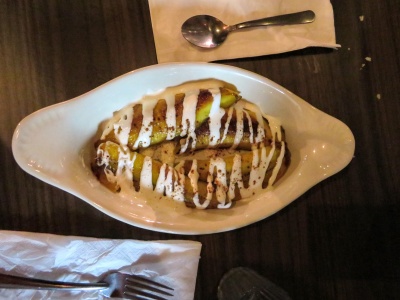
We would take a trip back to Mexico City for the food alone.
Mexico City has a reputation for being dirty, poor, crowded, uncultured, and unsafe. Don't believe the hype.
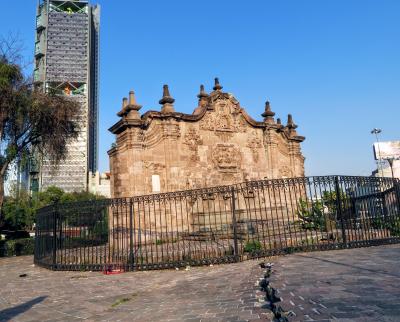
We visited CDMX a few short months after a 7.1 earthquake that rocked the city and killed hundreds. Amazingly, there
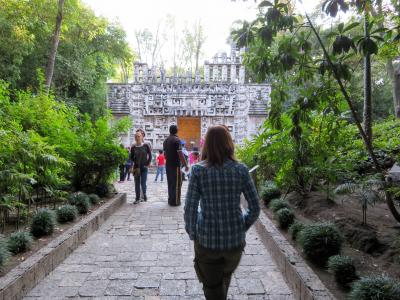
We have been to museums on 5 continents and all across the United States and The Museum of Anthropology in
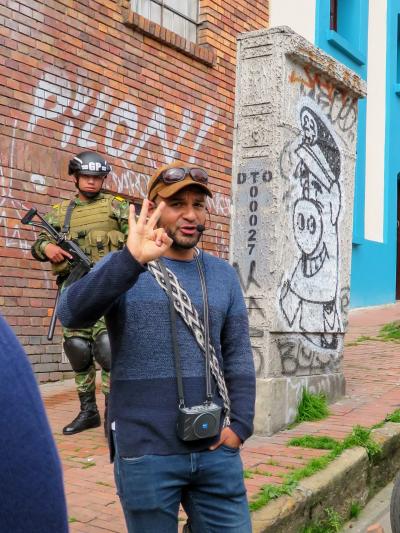
Growing up, we were taught that graffiti is bad. The Bogota Graffiti Tour turned that worldview upside down.
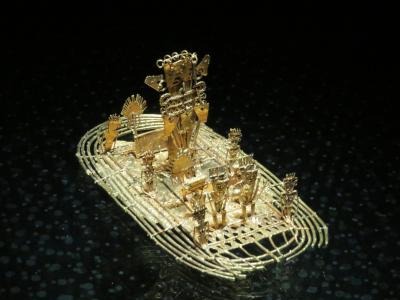
The gold museum in Bogota was one of the shinier places we've ever been.
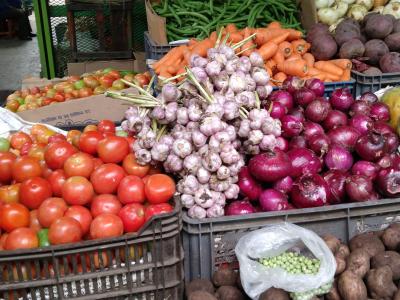
Paloquemao, a gigantic, pungent, colorful, bountiful market in the middle of Bogota, did not disappoint.
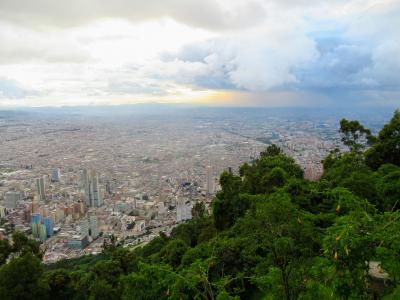
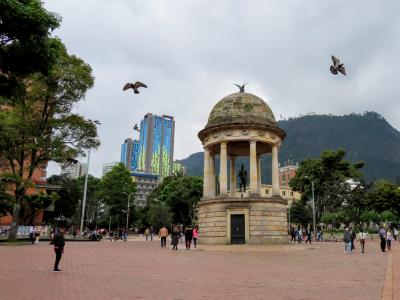
This post is just a set of pictures from around the city that capture the feeling of Bogota.
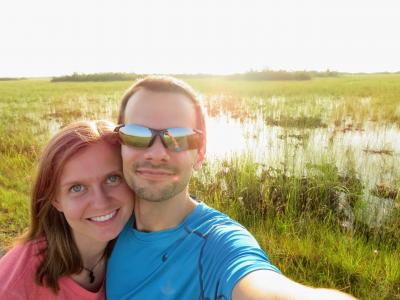
The plan was this: Get in at 5am, rent a car, drive to the Everglades for a sunrise hike, take
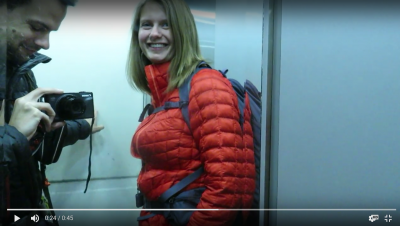
The purpose of this post is just so we don't forget this excellent elevator in Edificio Sucre, Bogota.
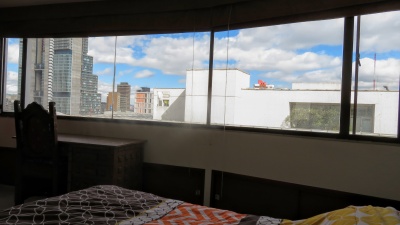
A strategy for surviving densely packed experiences in densely packed cities.
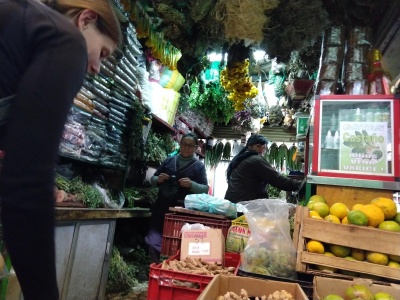
Andeans across Peru, Ecuador, Colombia and Bolivia have been chewing coca leaves or drinking coca tea for thousands of years
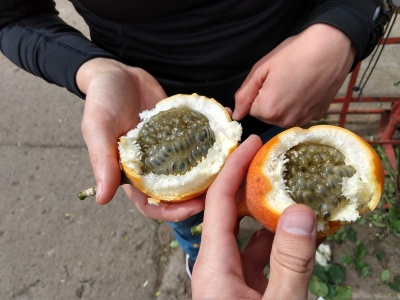
We went to Colombia with a list of foods that we wanted to eat that was 2 pages long.
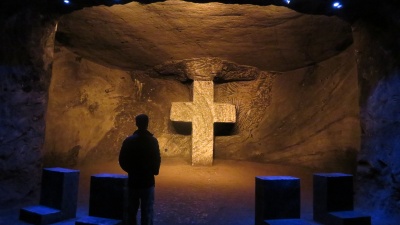
"Zipa! Zipa!" An overpriced and underwhelming unofficial church in an old salt mine... but I guess the pictures came out
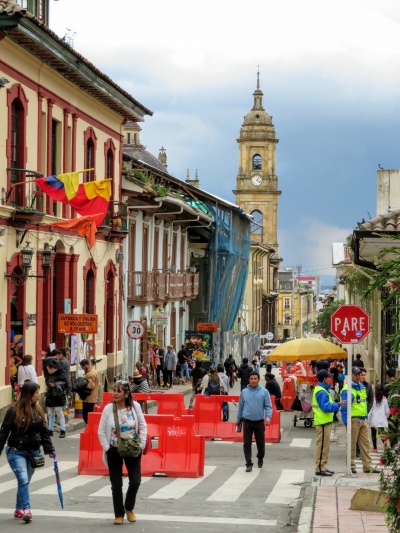
We took 1 day of PTO on Memorial Day Weekend for a quick trip to Bogota and Zipaquira Colombia. Highlights
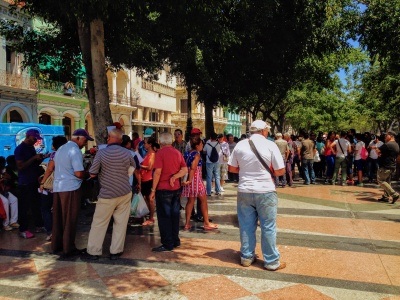
Near el Prado, a main boulevard in Havana, exists the closest thing that Cuba has to Craigslist.
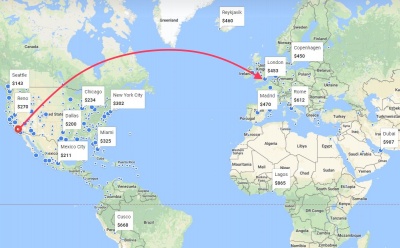
Let's say you have a week off work. Where would you go? This article lists step-by-step instructions for finding the cheapest
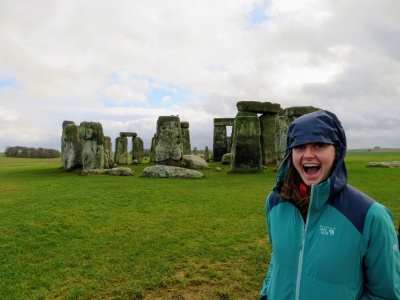
I was probably pretty annoying the entire day because of my barely contained excitement.
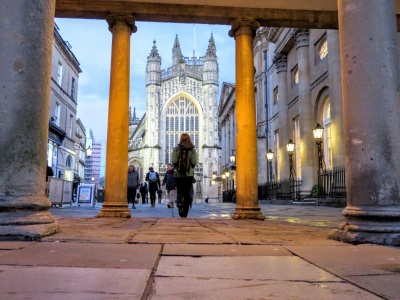
Walk centuries old stone streets, enjoy beautiful 18th century golden limestone architecture, and explore a 2000-year-old Roman bath house.
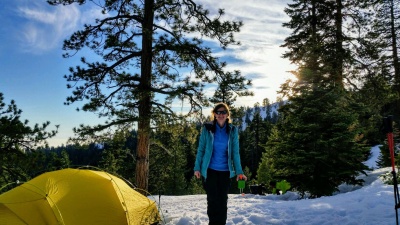
Our clothing system for fast and light travel was inspired by our clothing system for mountaineering. When designed correctly,
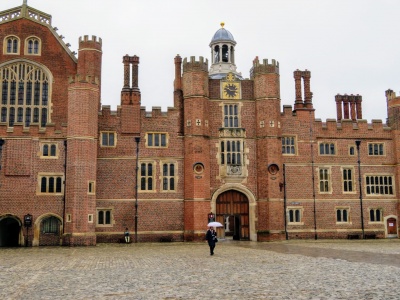
Most everything about the former home of King Henry VIII was creepy, unwelcoming, and a little bit off.
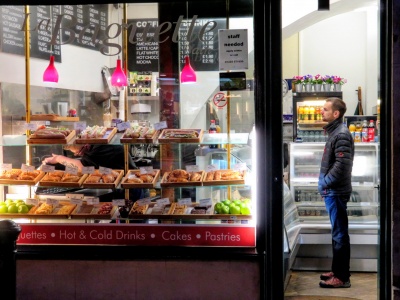
England is not a cheap vacation destination by any stretch of the imagination. We did figure out one good trick
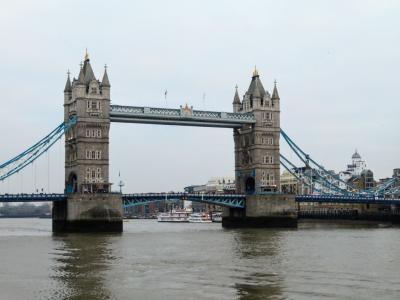
The London Wall, The London Tower, Tower Bridge, London Bridge, and All Hallows By The Tower
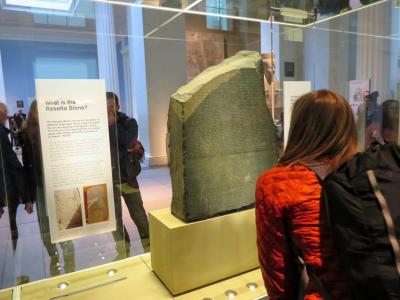
The British Museum: "It's just a bunch of stuff that's been nicked from other countries."
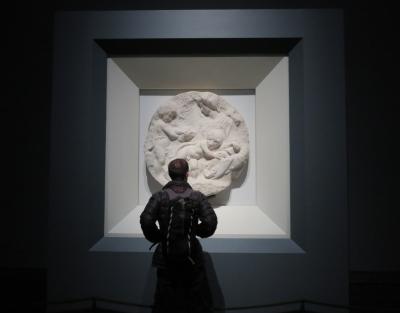
We decided to pop in to the National Gallery while we were in Trafalgar Square.
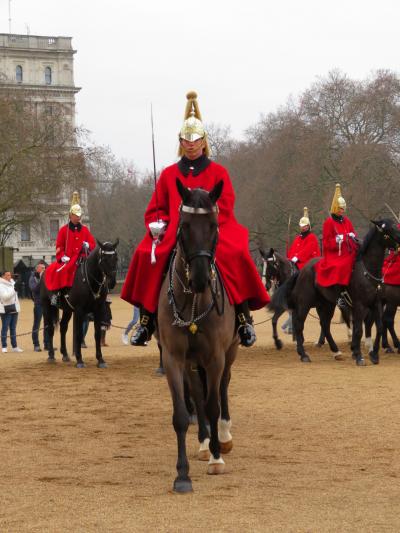
This is part 2/3 of our walking tour of London, heading from Parliament Square to Trafalgar Square.
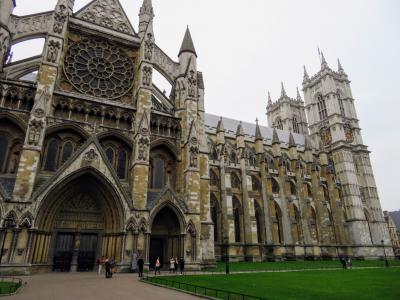
A self-guided walking tour through the heart of London, from Victoria Station to Parliament Square.
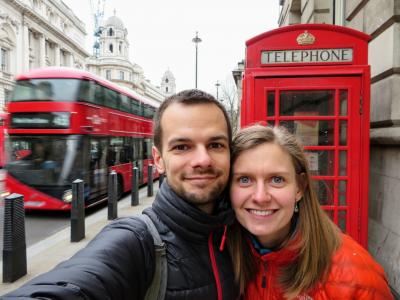
The highlights of the trip were tours of Stonehenge and a nearly 1,700 year old Roman bath house.
This trip is the one that made us realize that quick, cheap, international long weekends are an amazing strategy to
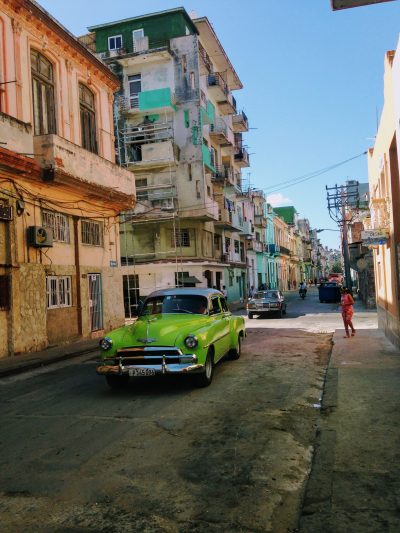
Cuba is the most complex and challenging place we have traveled yet. It was also fascinating, deeply rewarding and, most

Here's a link that will give you $40 in travel credit! Back when we were singles travelling alone or with
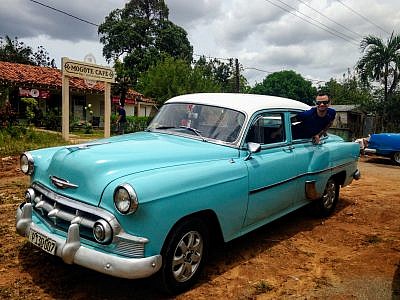
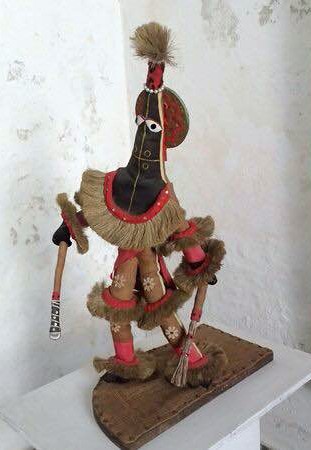
Just across the bay from Havana sits Regla, a fascinating town with a rich cultural history.
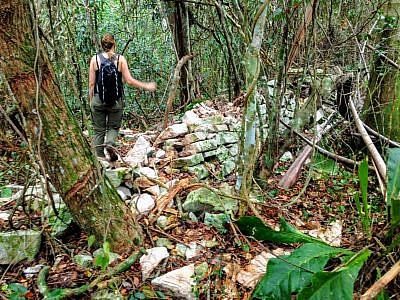
We flagged down an off-duty driver, who had a friend, who had a family member, who was able to give
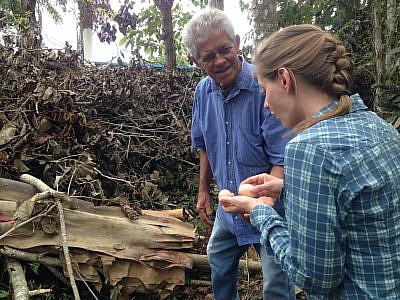
Abuelo digs out some eggs from the nest of a free-roosting chicken. This man was probably my favorite person we
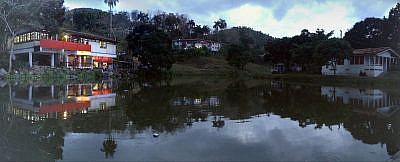
Video: "This is easily my favorite place we've been so far."
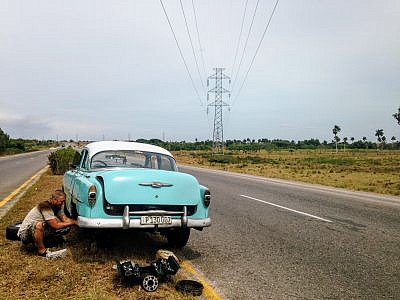
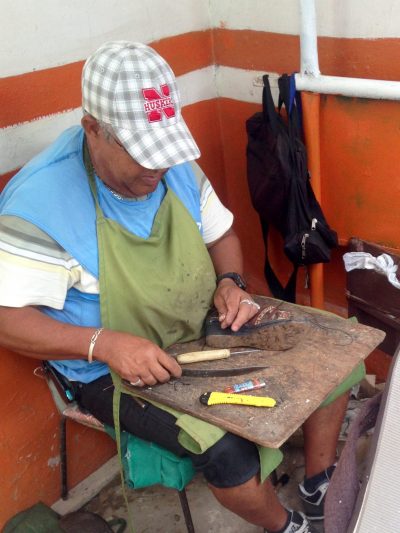
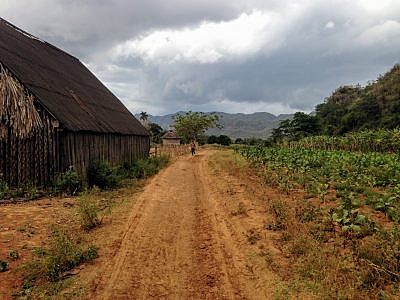
With no internet connection or any way to get a forecast, the best we could do was look up at
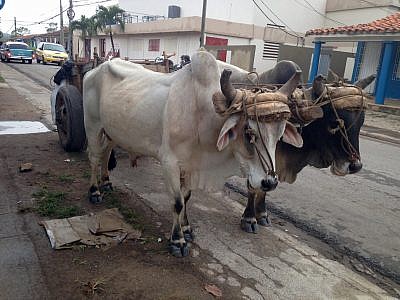
These magnificent beasts were parked outside our casa when we arrived back from the valley.
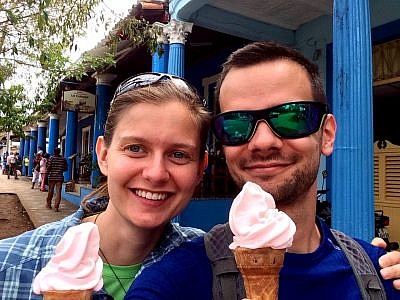
In what appears to be a closed down storefront in Viñales, there is an ephemeral ice cream shop.
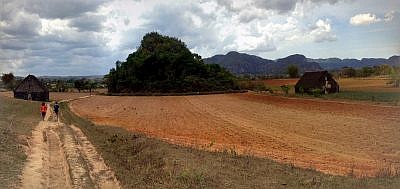
The tobacco farms in Viñales Valley produce some of the best cigars in the world.
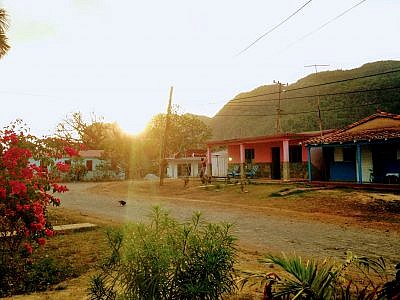
This may give you some sense of what it's like to travel in Cuba.
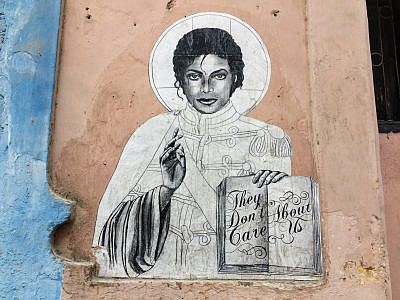
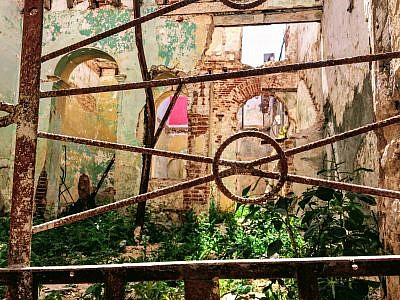
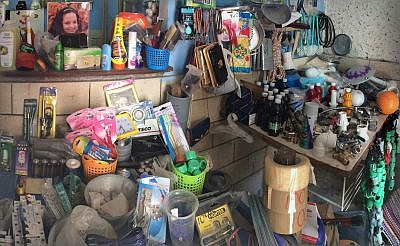
Buying goods in Cuba can be tough, especially if you get outside of the tourist areas.
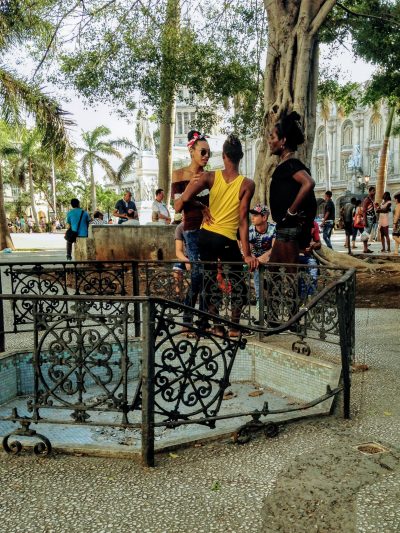
Trans culture was surprisingly visible out and about in Cuba! Especially in Central Park.
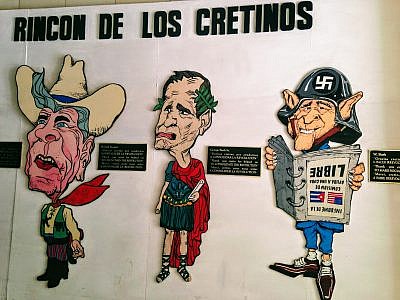
The Museum of the Revolution: As Americans, we didn't feel much love here.
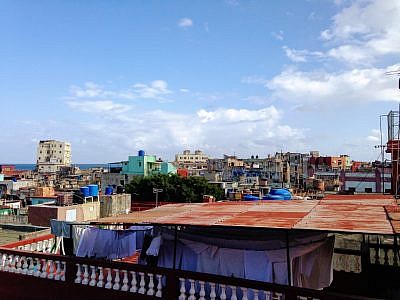
We arrived in Cuba around 10pm at night, exhausted from a long day of flying, and walked like zombies up
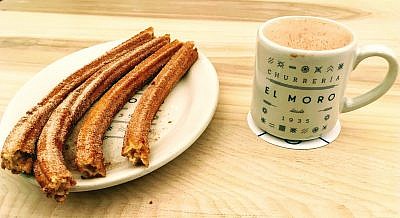
When we were there, temperatures hit record lows. Fortunately our Airbnb was less than a block away from an amazing
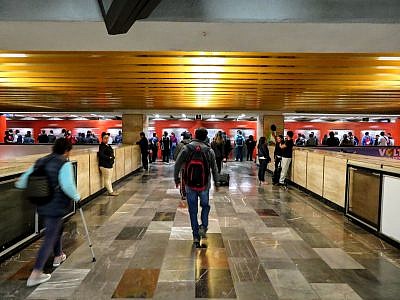
The Mexico City Metro is the best public transit I’ve ever taken. You can get to any location in
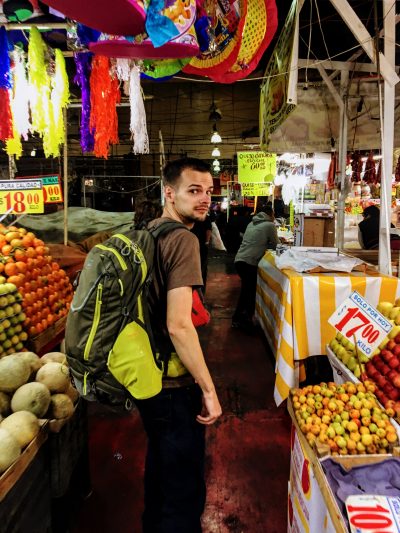
“I think we are more than 50% lost right now.” It turns out that in order to leave the Merced
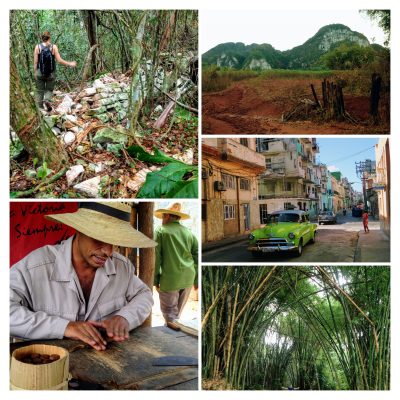
This is a sample itinerary for a person-to-person educational visa circa April 2017.
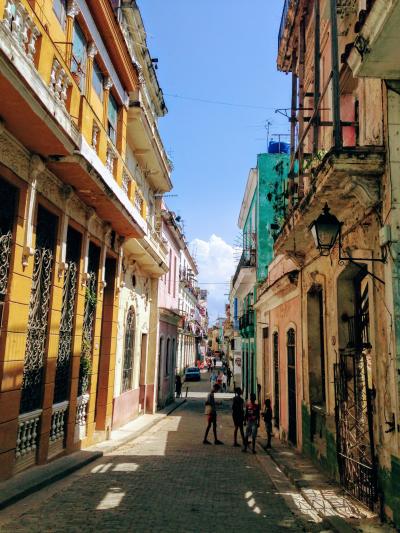
Cuba was the most difficult place to travel I've visited yet. It was also fascinating, deeply rewarding and, most importantly,
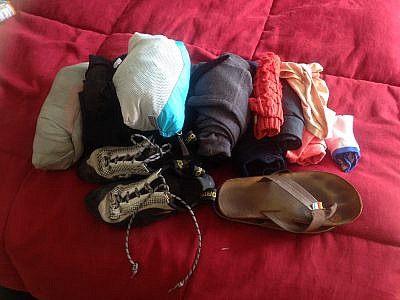
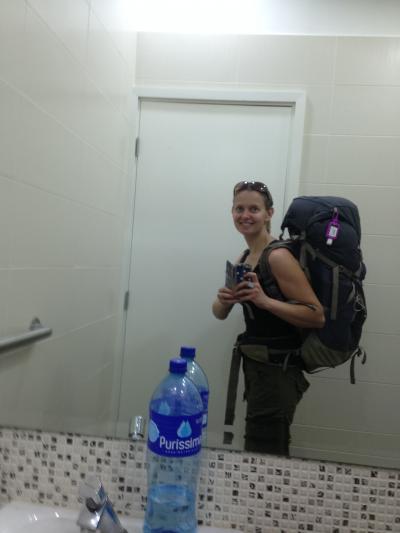
This is all the clothing I brought with me to Panama, plus the clothes that I was wearing when I
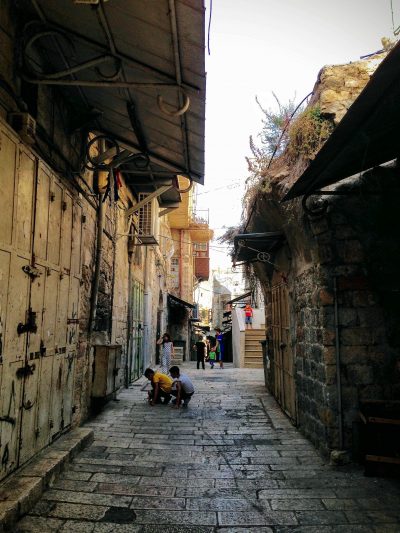
People actually live in the old city of Jerusalem, surrounded by temples and churches and mosques and touristy bazaars. Later
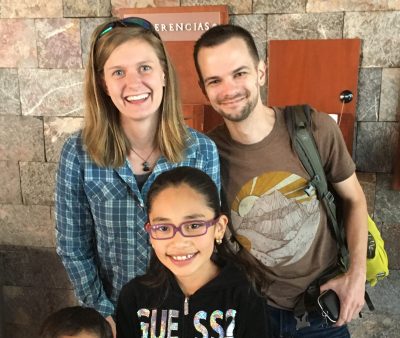
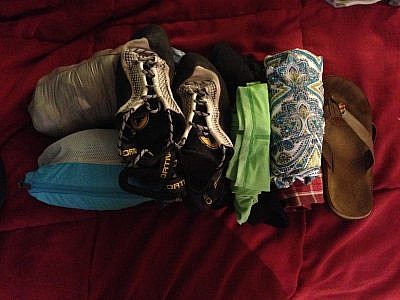
We tried to keep our packs super light this trip (about 10 lbs in half-full 40L packs). Here's how.
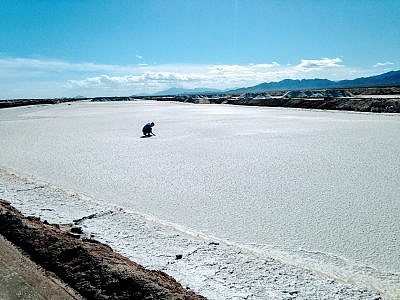
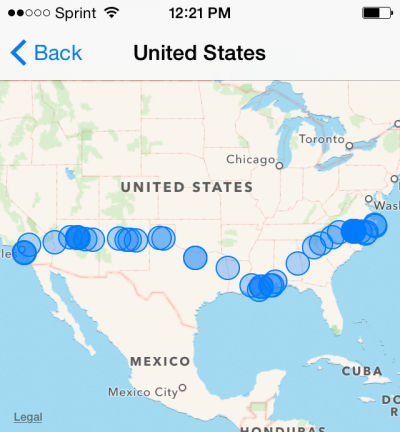
A road trip with friends plus camping on the beach, seeing giant cacti, soaking in hot springs, playing in sand
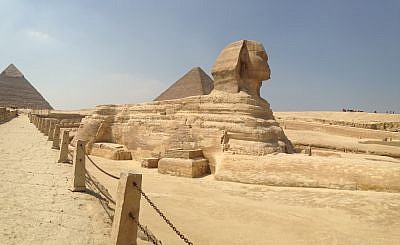
Egypt was tough, and not exactly what we expected. Still, with bucket list items like these, it's hard to go
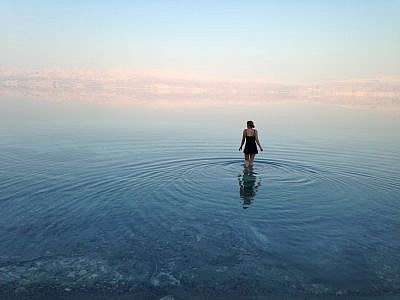
Israel and Palestine were complex places with a lot to unpack. We really look forward to doing so here!